One bedroom gets chilly when the door closes, while the hallway feels comfortable. The thermostat may not be the problem. Forced-air heating needs a way to move air into rooms and back toward the return. A closed door can sometimes interrupt that circulation, depending on how the ducts and return paths were designed.
1. Understand the loop.
A furnace or air handler supplies conditioned air through registers. Air then travels back through return grilles and other designed return paths. A room without a dedicated return may rely on an under-door gap or another approved transfer path when the door is closed.
2. Look for simple obstructions first.
Keep return grilles clear of furniture, rugs and storage. Check that supply registers are not blocked. Inspect or replace the system filter according to the equipment instructions. Do not remove a filter to force more airflow or use a filter that does not fit.
3. Compare with the door open.
Without touching electrical or mechanical parts, notice whether the room's comfort changes over a normal heating cycle with its door open versus closed. A difference is a clue to describe to a technician, not proof of a specific duct defect.
4. Avoid improvised ventilation changes.
Do not cut transfer openings into walls, doors or ceilings without evaluating fire separation, privacy, noise and code requirements. Do not close many supply registers to redirect heat; that can raise duct pressure and create additional airflow problems.
5. Know when it needs professional attention.
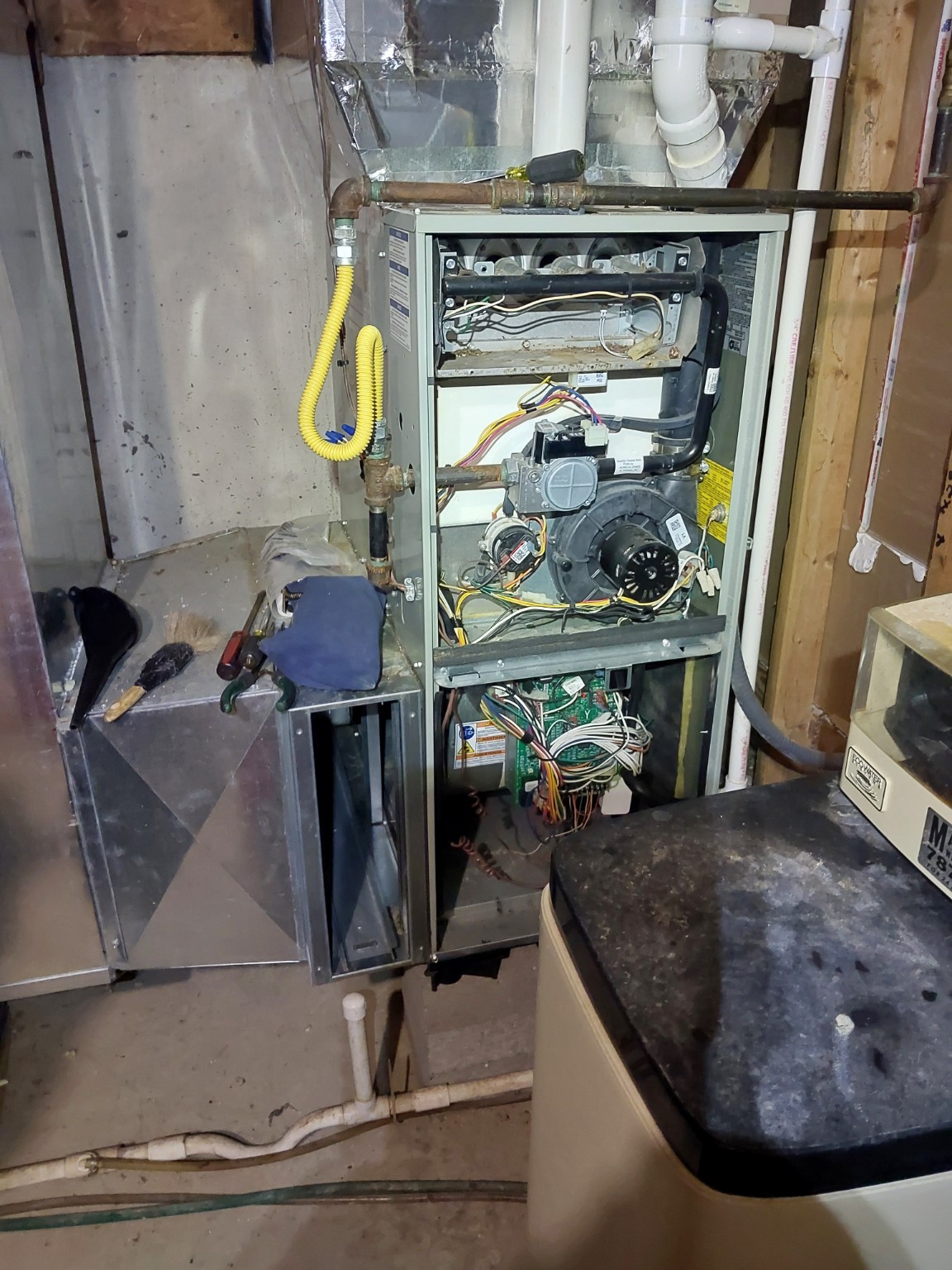
Persistent temperature imbalance, whistling at a closed door, weak airflow, repeated shutdowns or a furnace that cannot maintain temperature deserve a proper assessment. An HVAC technician can consider filter pressure drop, blower operation, duct design and appropriate return-air paths rather than guessing.
Learn about HHC Heating & Cooling's furnace service and broader heating and cooling support for Greater Lafayette. For gas odors, leave the building and contact the gas utility or emergency services from a safe place; if a carbon-monoxide alarm sounds, evacuate and call 911.
For help beyond these tips, explore our heating and cooling services or request an HVAC assessment.
Thanks for reading. Check back with our family for more practical ideas to help care for your home.