When Indiana heating season begins, dry indoor air can make static and discomfort more noticeable. Some homes have a whole-home humidifier connected to the duct system to add moisture. But more humidity is not always better, and a water panel with heavy buildup may need attention. The right next step depends on the equipment and the conditions in your home.
1. Know what the water panel does.
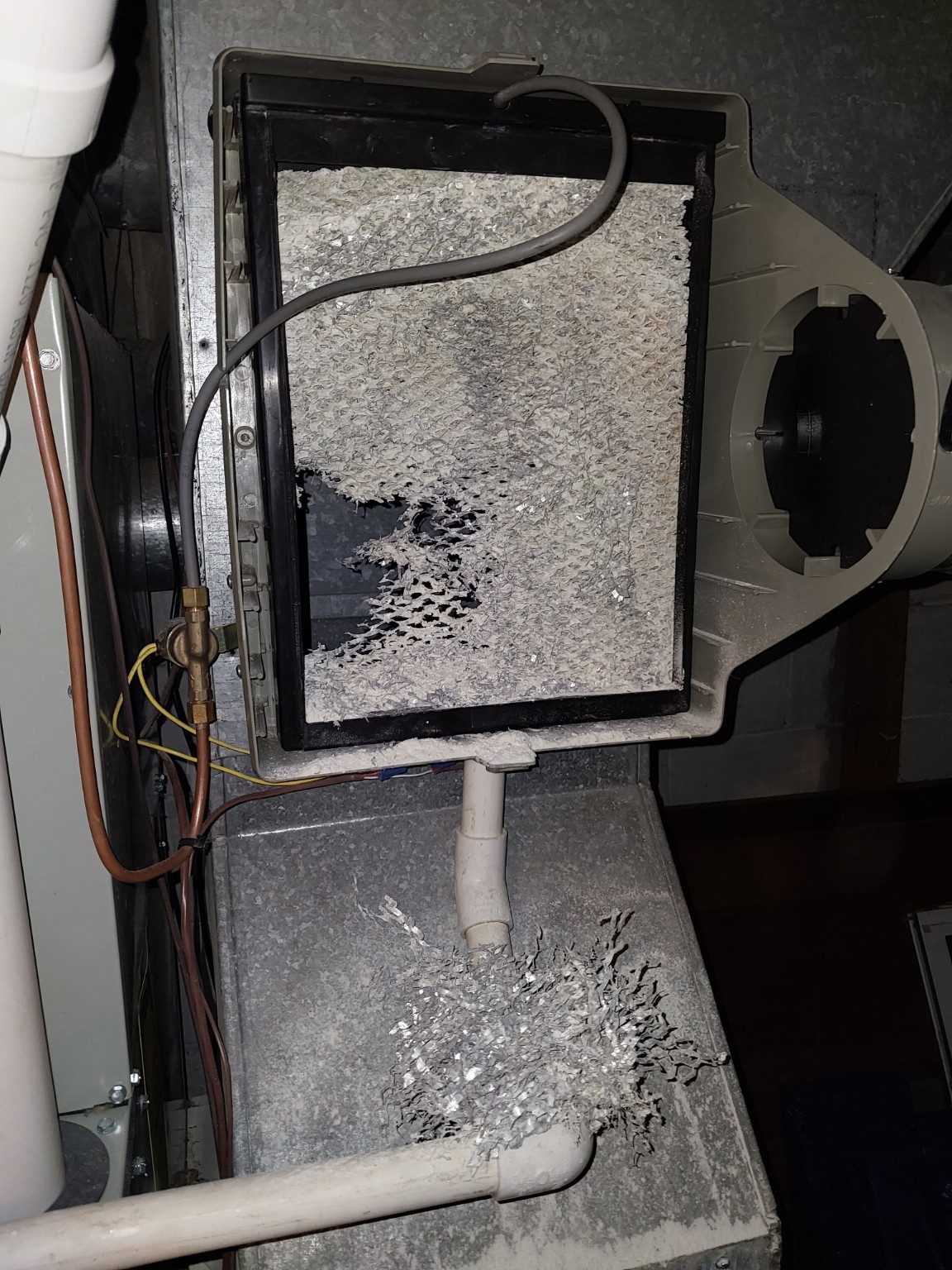
In many evaporative furnace-mounted humidifiers, supplied water passes over a replaceable pad or panel while air moves through the humidifier. Mineral scale, blocked water distribution or a worn panel may interfere with normal operation. Steam models and other designs use different parts and maintenance steps.
2. Notice what the home is telling you.
Frequent static or very dry-feeling air can be a reason to check indoor humidity with a hygrometer, but those symptoms alone do not diagnose a failed humidifier. Record the reading, outdoor weather and whether the humidifier is actually calling for moisture.
3. Watch for too much moisture as well.
Persistent condensation on winter windows, damp nearby surfaces or a musty smell deserves attention. An indoor humidity setting that worked during milder weather may be excessive during a cold snap. Follow manufacturer guidance and reduce the setting if condensation appears; the U.S. Environmental Protection Agency advises not to humidify above 50 percent relative humidity.
4. Leave enclosed equipment closed unless the manual specifically permits homeowner access.
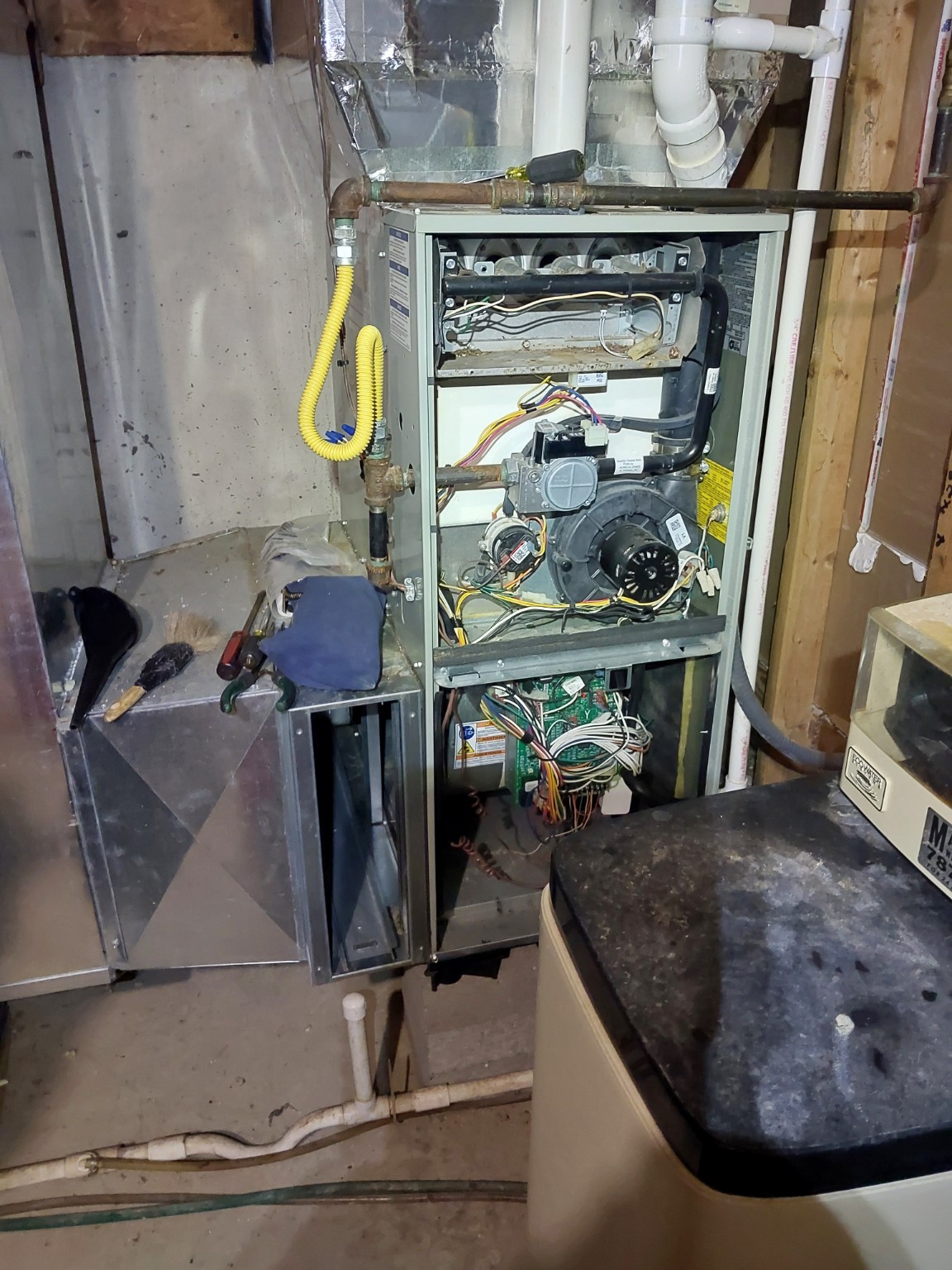
A photo of a worn water panel can be useful for education, but it does not prove what is happening inside a different furnace. Never open energized equipment, reach around moving parts, handle electrical connections or attempt repairs around gas components.
5. Ask about the whole water path.
If a qualified professional inspects the unit, relevant checks can include the correct replacement panel, water feed, drain, control setting and any visible leakage. A pad replacement alone may not solve a blocked drain or an incorrect humidistat setting.
An HVAC & Home Comfort review can help distinguish humidity-control concerns from other heating issues. If there are unusual furnace noises, short cycling or trouble producing heat, describe those symptoms when requesting furnace service; do not assume the humidifier is the cause.
Reference: U.S. Environmental Protection Agency, 'Use and Care of Home Humidifiers' (epa.gov/indoor-air-quality-iaq/use-and-care-home-humidifiers). Follow your equipment manual for model-specific service intervals.
Photo note: authentic HHC equipment photograph of a deteriorated humidifier water panel. It illustrates an observed component condition, not a before-and-after repair or a diagnosis of another system.
For help beyond these tips, explore our heating and cooling services or request an HVAC assessment.
Thanks for reading. Check back with our family for more practical ideas to help care for your home.