Picture a November morning in West Lafayette: the thermostat says the heat is on, but one bedroom still feels chilly. Turning the temperature higher may make the warm rooms hotter without fixing the cold one. Uneven comfort is a clue worth investigating, not a diagnosis by itself.
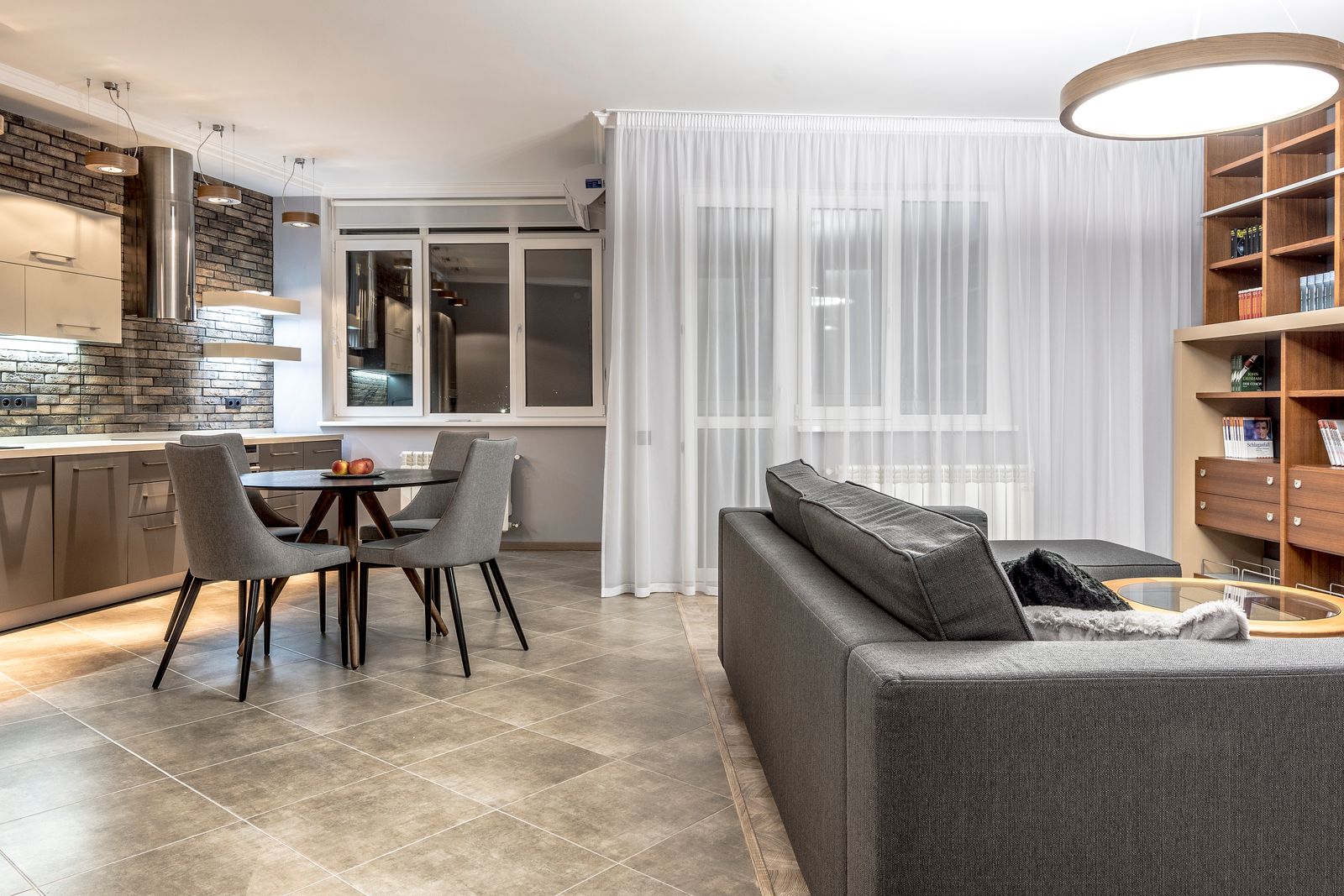
First, compare rooms while the system has been running normally. Is one room consistently colder, or is the whole house slow to warm? Notice whether the room is above a garage, has large windows or receives less sunlight. Those details help separate airflow questions from possible insulation or weatherstripping issues.
Look at accessible supply registers and return-air openings. A rug, furniture or stored box may be blocking airflow. Move the obstruction rather than forcing a register or opening the ductwork. Some systems are designed with particular register settings, so avoid closing multiple vents to push more air toward a cold room.
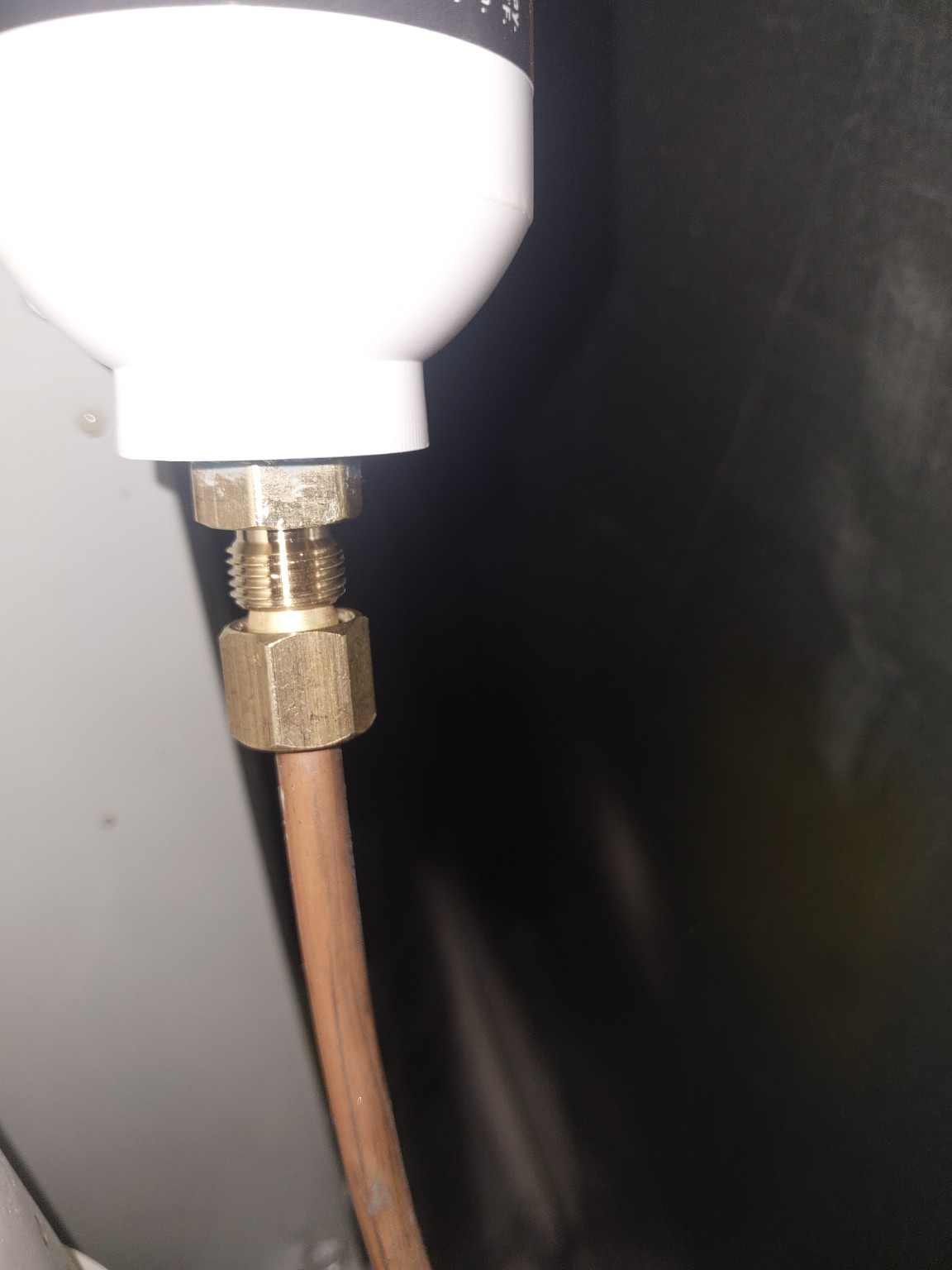
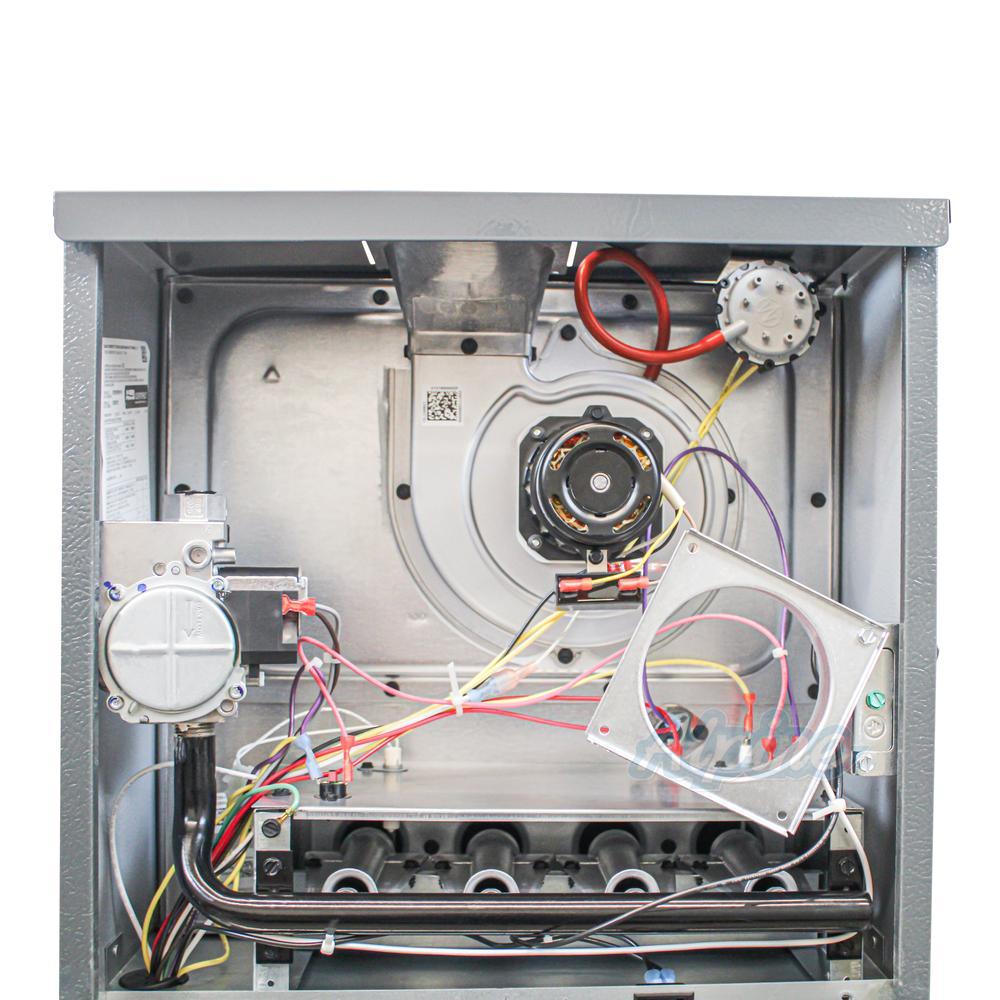
Check the filter according to your equipment instructions. A dirty, improperly sized or incorrectly installed filter can restrict airflow. Use the specified filter size and type, and do not run the system with required panels removed. If you are unsure how to access the filter safely, that is a good question for a furnace service visit.
If you have a heat pump, brief outdoor frost and a normal defrost cycle can be part of cold-weather operation. Heavy, persistent ice, repeated alarms or a system that cannot maintain indoor temperature deserves a professional assessment. Do not chip ice off coils or attempt refrigerant or electrical repairs.
Other clues matter too: unusual smells, repeated shutdowns, weak airflow from several rooms or new rattles should be documented. If you smell gas, leave the building and contact the gas utility or emergency services from a safe location; do not operate switches or keep troubleshooting indoors. Take carbon-monoxide alarms seriously and follow their emergency instructions.
Write down which rooms are affected and when the problem happens. That short record is useful when requesting heating and cooling help. HHC Heating and Cooling serves Lafayette, West Lafayette and nearby communities; our home comfort and heat pump service pages explain where to start.
For help beyond these tips, explore our heating and cooling services or request an HVAC assessment.
Thanks for reading. Check back with our family for more practical ideas to help care for your home.