FREE HOMEOWNER EDUCATION
Understand your HVAC system before you spend money on it.
From shopping and installation to everyday use, maintenance and repair decisions. Learn what to ask, what you can safely check, and when a professional evaluation makes sense.
Ask HHC about your system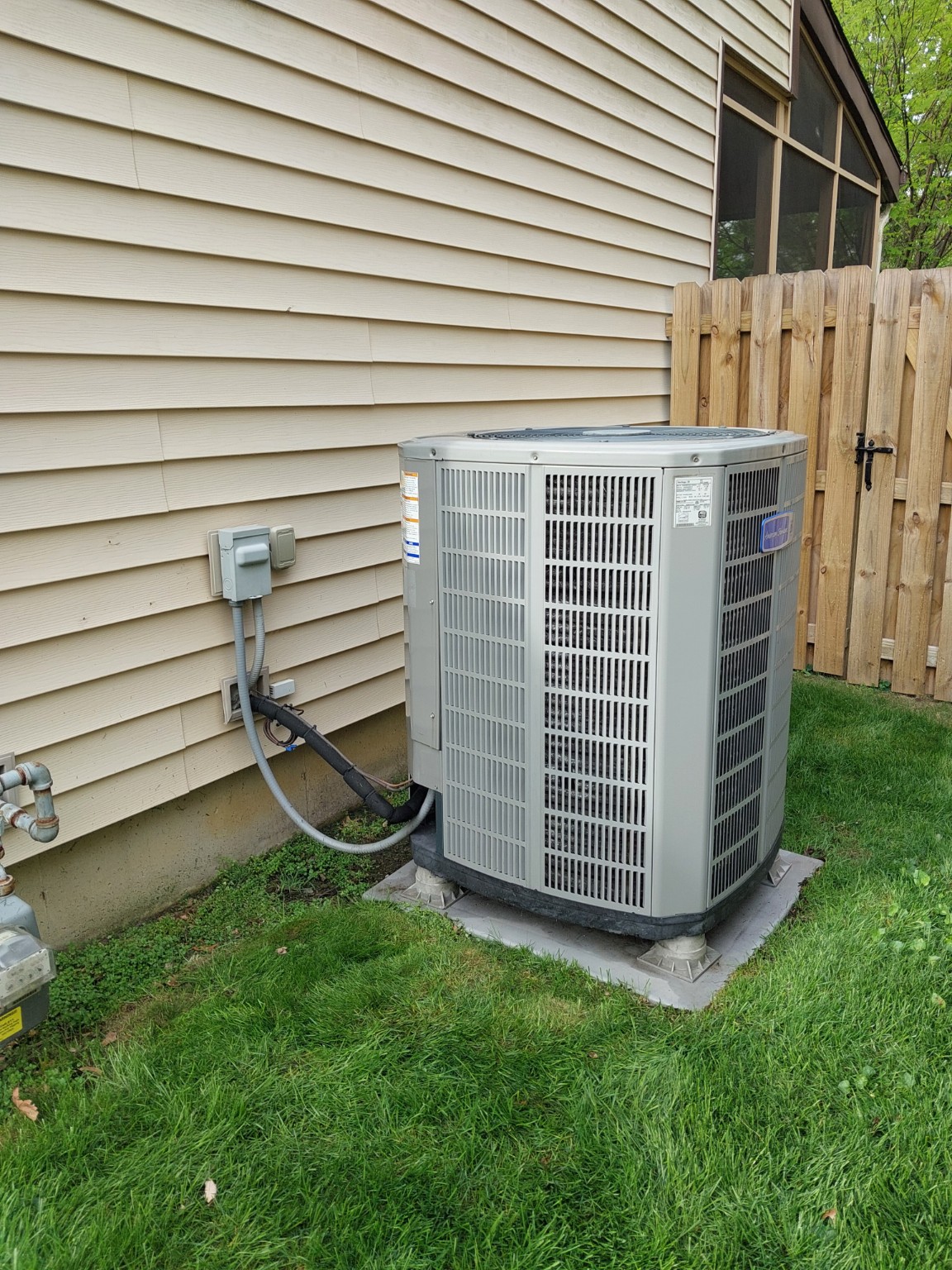
Explore the HVAC lifecycle
Start at any stage. Our purpose is to help you make informed choices, not pressure you into buying a new system.
1. Get to know your home’s HVAC system
HVAC means heating, ventilation, and air conditioning. A furnace makes heat, central AC removes indoor heat, and a heat pump transfers heat in either direction. Thermostats, filters, ductwork, and airflow matter too.
Questions worth asking
- Is the home heated by gas, electric resistance, a heat pump, or a combination?
- Where are the indoor unit, outdoor unit, air filter, and thermostat?
- Is there ductwork, a ductless system, or both?
Remember: Write down the brand and model numbers from your equipment labels. You do not have to understand every component to ask useful questions.
2. Shop for a replacement without guessing
The biggest unit is not automatically the best one. A good proposal considers the home’s heating/cooling load, insulation, windows, ductwork, comfort complaints, fuel costs, and how the components work together.
Questions worth asking
- Was the home’s heating and cooling load calculated (often called Manual J)?
- What efficiency ratings apply, such as SEER2, EER2, HSPF2, or AFUE?
- Are the indoor and outdoor components compatible, and what does the written quote include?
- What are the equipment warranty, labor terms, permits, and expected maintenance needs?
Remember: Request a written explanation of sizing, equipment choices, scope and total price before authorizing installation. Ask what problem an upgrade will actually solve.
3. Know what a quality installation should include
Even highly efficient equipment can disappoint when sizing, ducts, airflow, electrical connections, refrigerant setup, or controls are wrong. The installer should follow the manufacturer’s instructions and applicable local requirements.
Questions worth asking
- Was the duct and return-air system evaluated?
- Were the equipment, thermostat, condensate drainage, and safety controls checked?
- Did someone explain startup testing, filter access, and the owner’s documents?
Remember: Keep copies of your proposal, warranty information, model/serial numbers, and any documented startup checks. Confirm which installer and inspector responsibilities apply locally.
4. Use your system comfortably and efficiently
Correct thermostat settings, clean filters, open supply and return paths, and appropriate outdoor-unit clearance help a system perform. Heat pumps may run differently from a furnace, including occasional defrost cycles in cold weather.
Questions worth asking
- Do rooms have unobstructed supply and return airflow?
- Is the thermostat programmed appropriately for the equipment?
- Are unusual noises, repeated shutoffs, poor humidity control or persistent hot/cold rooms developing?
Remember: Avoid blocking return grilles or bypassing safety controls. If conditions change, note the symptoms and temperatures so a technician can investigate.
5. Maintain the system through the seasons
Homeowners can check filters and keep accessible outdoor equipment clear of leaves, snow, and debris. Qualified technicians handle electrical, combustion, refrigerant, and more involved service checks.
Questions worth asking
- When was the filter last checked, cleaned, or replaced?
- Was the cooling system checked before summer and the heating system before winter?
- Has drainage, airflow, coil condition, or unusual operation been reviewed?
Remember: ENERGY STAR recommends checking filters monthly and scheduling professional pre-season service. The actual filter replacement interval depends on the filter and conditions.
6. Decide whether to repair, maintain, or replace
Age alone does not settle the decision. Consider the diagnosis, repair cost, recurring failures, safety, comfort, efficiency, and parts availability. Older refrigerant systems may still be serviceable; never assume a working R-410A system must immediately be replaced.
Questions worth asking
- What failed, and is the system safe to operate?
- What repairs are recommended, what will they cost, and what is covered by warranty?
- Would a replacement address the underlying comfort problem, or is the real issue ductwork or insulation?
Remember: Get the diagnosis and options in writing where appropriate. Refrigerant handling belongs to appropriately certified professionals; do not open sealed refrigeration systems yourself.
Safety comes before savings
Homeowners can check accessible filters, thermostat settings and visible obstructions by following their owner’s manual. Leave gas piping, electrical repairs, refrigerant handling and safety controls to appropriately qualified professionals. If you smell gas, leave the area and contact your gas utility or emergency services from a safe location. For suspected carbon monoxide exposure, move outside and seek emergency assistance.
Verify rebates and incentives before you buy
Old articles may advertise credits that have expired. ENERGY STAR identifies the federal air-source heat-pump tax credit on its website as applying to qualifying purchases and installations through December 31, 2025. For any new 2026 project, confirm currently applicable incentives with the appropriate agency or utility rather than assuming a previous offer remains available.
Check ENERGY STAR’s federal tax-credit information ↗Local help, without the pressure
HHC Heating and Cooling, a division of HHC Management, serves Lafayette, West Lafayette and nearby communities within approximately 30 minutes. We listen, investigate relevant symptoms, explain our findings and discuss proposed work and prices before moving forward. This guide is educational and is not a diagnosis of your specific system.
See HVAC services and pricesRequest service