A furnace that starts heating and then stops unexpectedly can be frustrating during an Indiana cold snap. One possible reason is a high-temperature limit control responding to excessive heat inside the furnace. It is a safety device, not a nuisance to bypass, and short cycling can have several other causes too.
The limit switch is designed to interrupt heating under certain high-temperature conditions. Depending on the model and fault, the blower may continue running and the system may try again later. A shutdown pattern or a blinking code alone does not establish that the limit switch itself is defective.
Airflow matters. A heavily loaded filter, blocked return, closed-off supply pathways, an incorrect blower setup or a duct problem can interfere with heat removal. Equipment sizing, venting and control issues also need evaluation. The correct diagnosis depends on the furnace specifications and measured operating conditions.
Homeowners can safely check that the thermostat is set as intended and that a filter is the proper size and installed in the correct direction. Look for furniture obstructing accessible registers or return grilles, without removing covers from a running furnace. Follow the equipment manual rather than guessing at filter type or maintenance intervals.
Write down the approximate run time before shutdown, whether the blower keeps running, what the thermostat displays and any fault code visible without opening a cabinet. Repeatedly resetting power, defeating a safety switch or altering blower wiring can make a dangerous condition worse.
A qualified furnace service visit may include evaluating temperature rise against the manufacturer's rating, checking airflow, inspecting accessible venting and drainage, testing safety controls and investigating the actual reason for a trip. Replacing a switch without correcting overheating can leave the underlying problem unsolved.
If you smell gas, follow gas-utility emergency instructions and leave the area; do not operate electrical switches nearby. If a carbon monoxide alarm activates, get everyone to fresh air and follow the alarm and local emergency guidance. Do not continue running a furnace that a qualified professional has said is unsafe.
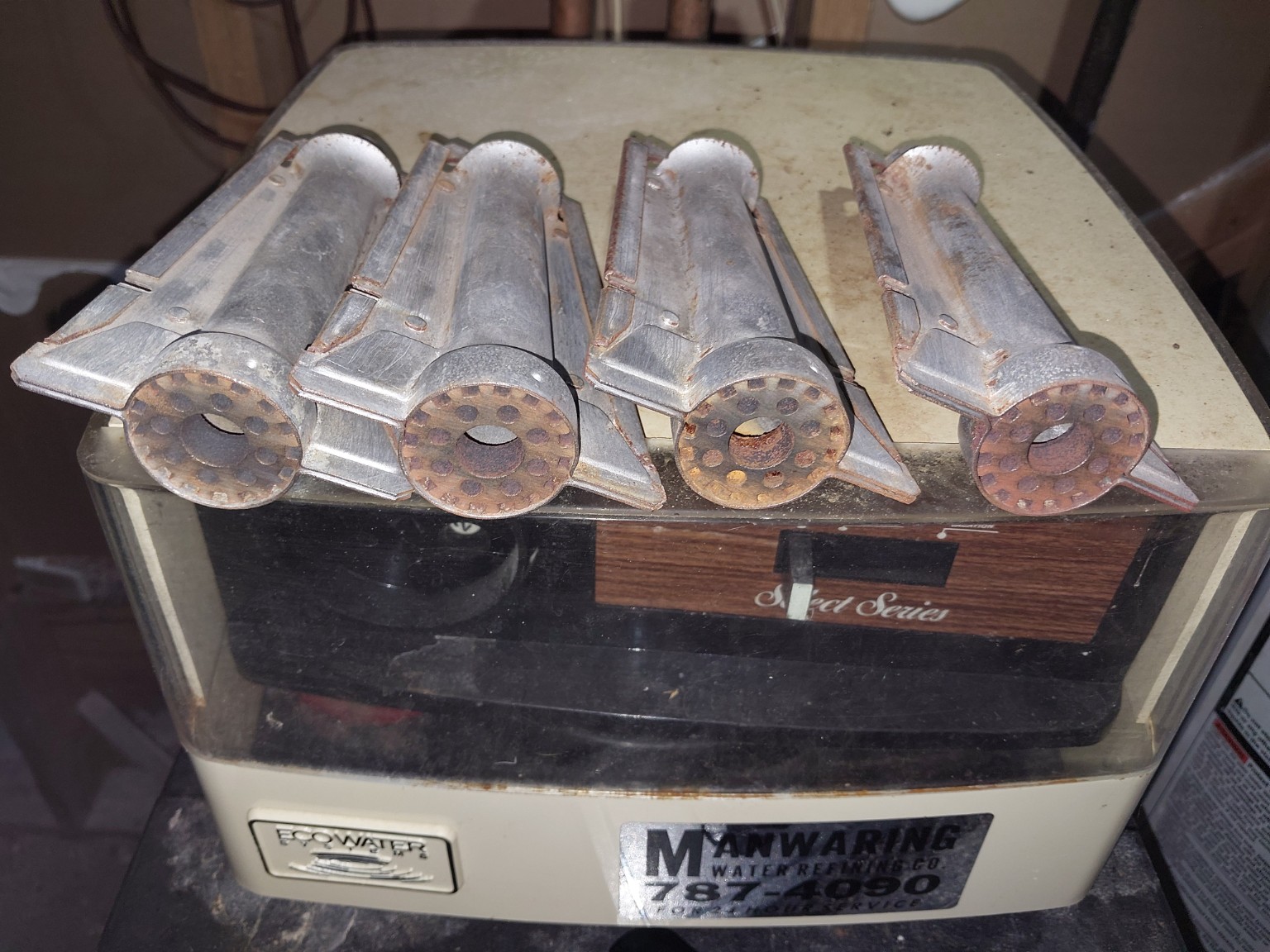
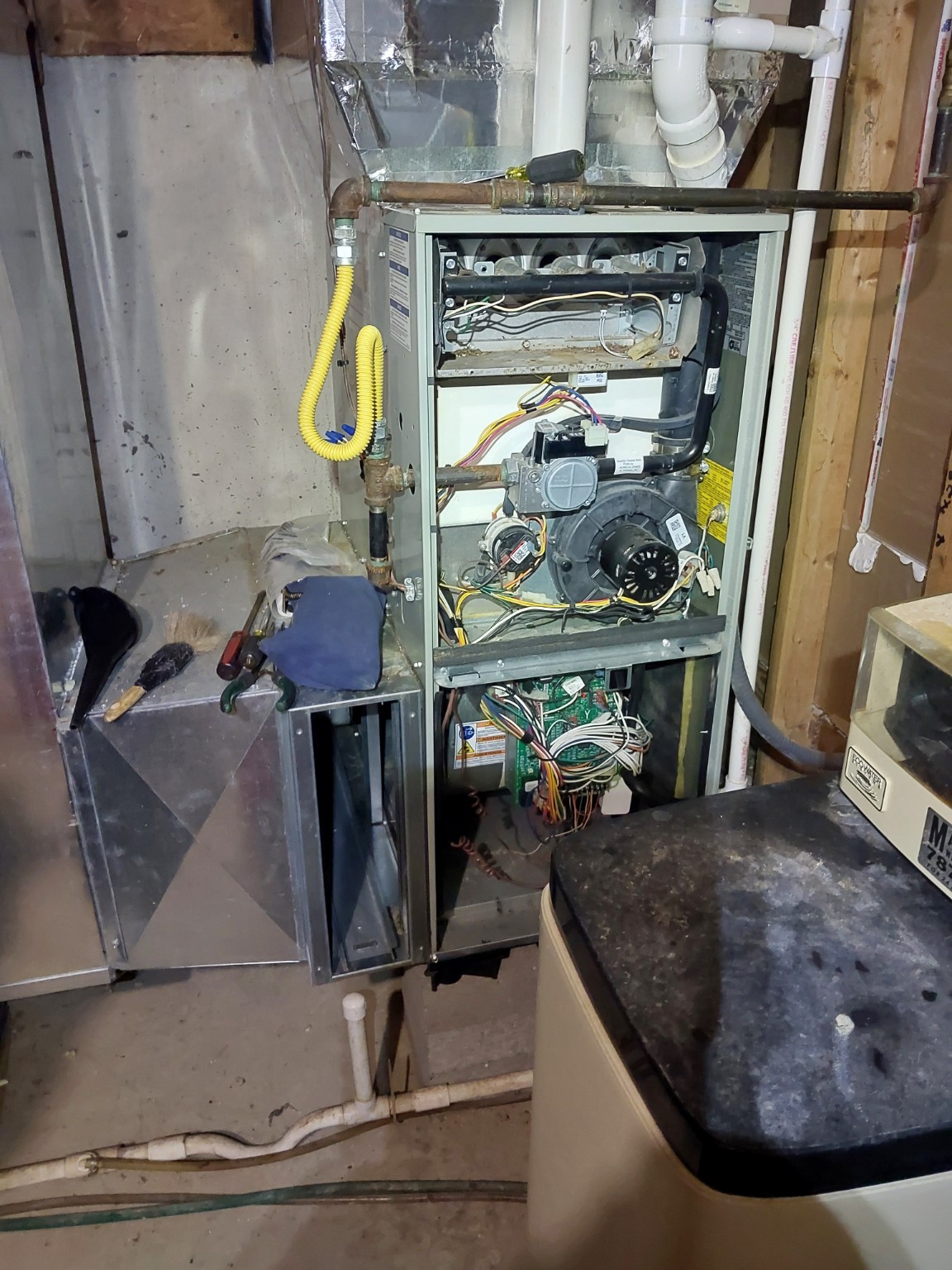
For recurring shutdowns, HHC Heating and Cooling can discuss heating and cooling diagnostics and next steps in the Greater Lafayette area. The cover photograph is a genuine HHC furnace cabinet image used for education, not proof that this particular unit experienced a limit-switch failure.
For help beyond these tips, explore our heating and cooling services or request an HVAC assessment.
Thanks for reading. Check back with our family for more practical ideas to help care for your home.